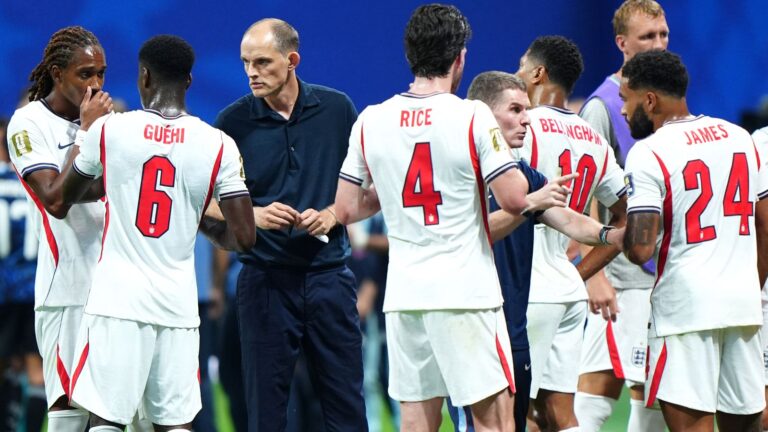
France and England are gearing up for a massive showdown on Saturday, July 18, 2026, at Miami Stadium. Under the warm Florida lights, two of the absolute giants of international football will clash in a prime-time fixture kicking off at 11pm CAT. Yet, despite the star-studded lineups and the historic rivalry, neither team wanted to be here. Instead of playing for the ultimate prize in the grand final, they find themselves fighting for third place.
As fans around the world prepare to tune in, a familiar question always begins to trend across social media and search engines: Why does this game even exist? Why do two heartbroken squads have to lace up their boots one last time just days after their World Championship dreams were shattered?
Why Does the FIFA World Cup Have a Third-Place Playoff?
FIFA keeps the World Cup Third Place Playoff on the schedule primarily for commercial revenue, broadcasting rights commitments, and historical tradition. Officially, the match is played to determine the tournament’s bronze medalist and to award crucial FIFA ranking points. However, the underlying driving force is financial; an extra high-profile game featuring world-class teams like France and England guarantees massive television ratings, lucrative advertising slots, and sold-out stadium ticket sales that FIFA and local organizers simply refuse to leave on the table.
The Financial Windfall of a Consolation Match
To understand why this fixture persists, you have to look at the business of modern sports. Television networks pay billions of dollars for the rights to broadcast the World Cup. Every additional match is an opportunity to sell premium advertising space. A game featuring global superstars from the English Premier League and Ligue 1 attracts tens of millions of viewers worldwide, regardless of whether a trophy is on the line.
Furthermore, hosting the match in a major US market like Miami means ticket prices are sky-high. Fans who traveled from Europe or local US soccer soccer enthusiasts are eager to see players of this caliber live in person. For FIFA, canceling this match would mean refunding tickets, renegotiating broadcast deals, and losing out on millions in stadium concessions and merchandise sales.
The Psychological Toll: Why Players and Managers Hate It
While executives and broadcasters love the third-place playoff, the people actually on the pitch rarely share that enthusiasm. Losing a World Cup semifinal is one of the most emotionally devastating experiences in a professional athlete’s career. Coming so close to the biggest game in sports, only to fall short, leaves squads mentally and physically exhausted.
“This match should never be played. I have been saying this for ten years. It is unfair that we have to play for a third place when only one thing matters, and that is becoming champions.” — Louis van Gaal, former Netherlands Manager
Players are asked to risk injury in a game that many view as an exhibition. With domestic club seasons looming shortly after the tournament, club managers also dread this fixture, praying their star players do not pick up needless muscle strains or ligament tears in a match that will ultimately be forgotten by history.
What is Actually at Stake for France and England in Miami?
Despite the lack of a gold medal, the July 18 clash in Miami is far from meaningless for the players involved. There are several genuine incentives that will keep the competitive fire burning:
- The Golden Boot Race: Goals scored in the third-place playoff count toward the tournament’s top scorer award. Historically, this match is highly entertaining and open, often producing high-scoring affairs where strikers can pad their stats.
- The Bronze Medal: While it is not gold, walking away with an official FIFA World Cup bronze medal is still an incredible achievement that many players cherish later in life.
- Pride and Redemption: Neither France nor England wants to suffer consecutive losses to end their World Cup campaign. Ending the tournament with a victory allows the squad to return home with their heads held high and celebrate a positive end to a long journey.
- A Showcase for Young Talent: Managers frequently use this match to give tournament minutes to reserve players and exciting young prospects, offering them invaluable experience on the world’s biggest stage.
When the whistle blows at Miami Stadium, the disappointment of the semifinals will have to be set aside. Whether they like the fixture or not, France and England will put on a show for the global audience, adding another chapter to their legendary footballing rivalry.