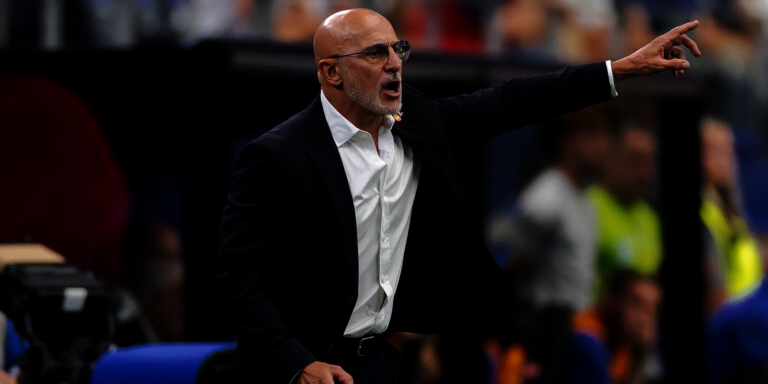
The heartbreak of a World Cup semifinal exit is a feeling English football fans know all too well. But the aftermath of England’s tight 2-1 defeat to Argentina on Wednesday has felt entirely different. Instead of a quiet post-mortem, the nation is locked in a fierce debate over tactics, substitutions, and a highly controversial post-match press conference. At the center of the storm is manager Thomas Tuchel, who chose a surprising target for his post-match frustration: the fundamental identity of English football itself.
Why Did Thomas Tuchel Blame English Football’s DNA for the Loss?
Thomas Tuchel blamed English football’s “DNA” because he believes the players reverted to an instinctive, frantic, and direct style of play under pressure rather than sticking to the controlled, possession-based tactical game plan he had prepared. When Argentina pushed for the winner, Tuchel argued that England’s historic habit of playing high-intensity, physical, and direct transition football took over, causing them to lose tactical discipline, give away cheap possession, and ultimately concede the decisive goal.
The Tactical Decisions That Cost England Against Argentina
While Tuchel pointed the finger at inherited national footballing habits, fans and pundits are pointing theirs directly at the manager’s bench. England’s performance in the second half of the semifinal raised massive question marks, particularly regarding how the team managed their momentum after drawing level.
Tuchel’s game plan initially sought to suffocate Argentina’s midfield, but as the South American side adjusted their pressing triggers, England struggled to play out from the back. Instead of adapting on the pitch, the team looked caught between two worlds: Tuchel’s demand for slow, methodical build-up and the players’ natural urge to progress the ball forward quickly to relieve pressure.
The Substitutions That Sparked Outrage
Perhaps the biggest talking point of the match was Tuchel’s decision-making in the final twenty minutes. With the game tied and England showing signs of fatigue, the substitutions seemed to disrupt the team’s rhythm rather than restore it.
- Withdrawing Key Attackers: Taking off players who provided a constant outlet on the counter-attack allowed Argentina’s fullbacks to push higher up the pitch without fear.
- Defensive Re-shaping: Shifting to a more defensive block too early invited relentless pressure, which ultimately led to Argentina finding the winning goal in the dying embers of the match.
- Lack of Midfield Control: Fresh legs in the engine room failed to halt Argentina’s transition play, leaving the backline exposed.
“In the moments of highest stress, you fall back on what is natural to you,” Tuchel explained in his defense. “We lost our structure because the natural instinct to fight, run, and play direct took over. It is part of the footballing culture here, but at this level, against a team like Argentina, you need cold-blooded control.”
What Does Tuchel’s “England DNA” Comment Actually Mean?
To understand Tuchel’s defense, you have to look at the clash of footballing philosophies. Tuchel is a product of modern European positional play, where positioning, spacing, and patience are paramount. He wants his teams to dominate through possession, tiring opponents out by keeping the ball in tight spaces.
In contrast, traditional English football has always been celebrated for its pace, power, passion, and directness—what many call the “kick and rush” legacy. While the Premier League has evolved into a tactical melting pot, Tuchel believes that when the stakes are at their absolute highest, English players instinctively default to this high-octane, emotional style. In his eyes, this emotional approach overrides tactical instructions, leading to the defensive gaps that Argentina ruthlessly exploited.
What Lies Ahead: Will Tuchel Stay for the 2028 Euros?
Despite the intense scrutiny and the painful exit, Tuchel has made his future intentions incredibly clear. He has confirmed that he remains 100 percent committed to his role as England manager and is already looking ahead to the 2028 European Championships.
For Tuchel, this tournament exit is not the end of the road, but rather a harsh lesson in a long-term project. The challenge ahead will be finding a balance between his tactical demands and the natural strengths of the English squad. If he can successfully blend his structured philosophy with the raw power and pace of England’s finest talents, the national team might finally take that final, elusive step on the international stage.